
Brakes are one of the most crucial safety components of your vehicle, yet many drivers overlook their maintenance until they experience a problem. A well-maintained braking system ensures that your car stops effectively, preventing accidents and reducing long-term repair costs. Neglecting brake maintenance can lead to expensive repairs and even dangerous driving conditions. This guide provides expert insights into why brake maintenance matters, how to recognize warning signs, and the best practices to keep your braking system in peak condition.
Why Brake Maintenance Matters
Brake maintenance is essential for your safety and your vehicle’s longevity. Properly functioning brakes prevent accidents by allowing you to stop efficiently in all driving conditions. However, brake components wear out over time and require regular servicing. Ignoring minor issues, like squeaky brake pads, can lead to costly rotor damage or even complete brake failure. The National Highway Traffic Safety Administration (NHTSA) reports that brake-related failures contribute to over 22% of car accidents caused by mechanical issues. Proactive maintenance saves money by preventing major repairs, extending your vehicle’s lifespan, and ensuring a smoother, safer driving experience for you and your passengers.
Common Signs of Brake Issues
Your vehicle provides warning signs when brake problems arise, and addressing them early can prevent costly repairs and enhance safety.
- Unusual Noises: Squealing or grinding sounds often indicate worn brake pads. Ignoring these noises can lead to metal-on-metal contact, damaging the rotors and increasing repair costs.
- Soft or Spongy Brake Pedal: If your brake pedal feels too soft or requires extra pressure to engage, it could signal low brake fluid, trapped air in the braking system, or failing components.
- Increased Stopping Distances & Warning Lights: If your vehicle takes longer to stop or the brake warning light appears on your dashboard, it may indicate worn pads, low brake fluid, or system malfunctions.
Ignoring these signs can lead to unsafe driving conditions and expensive repairs. Regular inspections and timely maintenance help keep your braking system reliable and ensure your vehicle operates safely.
Understanding Brake System Components
A car’s braking system is made up of several essential parts that work together to stop the vehicle efficiently. Understanding these components can help you better maintain your brakes and identify potential problems.
Brake Pads and Rotors
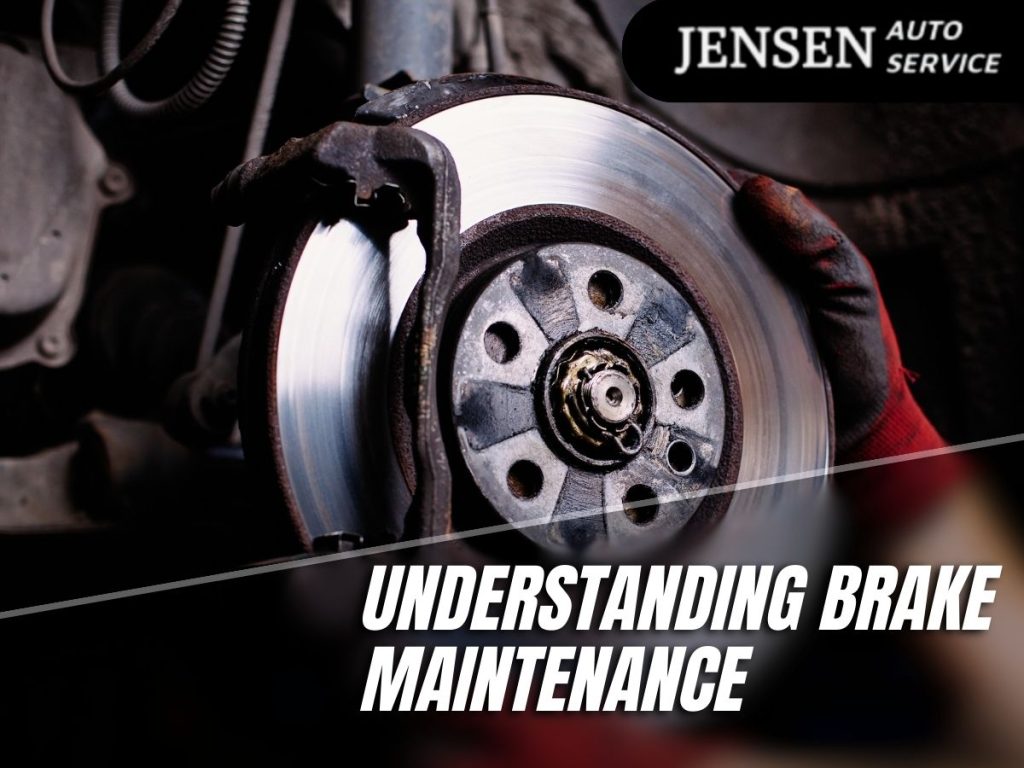
Brake pads press against the rotors to create the friction necessary for stopping your vehicle. Over time, both pads and rotors wear down due to constant use. Replacing brake pads before they wear out completely prevents damage to the rotors and keeps your braking system working efficiently.
Brake Fluid
Brake fluid is essential for transmitting force from the brake pedal to the brake pads. Over time, moisture and contaminants can reduce the fluid’s effectiveness, leading to reduced braking power. Regularly flushing and replacing brake fluid is necessary to ensure smooth and efficient braking.
Brake Calipers
Calipers house the brake pads and press them against the rotors when you apply the brakes. If calipers become stuck or fail to function correctly, they can cause uneven braking and excessive wear on one side of the vehicle.
Drum Brakes and Parking Brake
While most modern vehicles have disc brakes, some still use drum brakes in the rear wheels. The parking brake, often overlooked, requires routine checks to ensure it remains functional. A malfunctioning parking brake can lead to unexpected movement when parked on an incline.
Case Study: A Costly Lesson in Brake Maintenance
Sarah, a busy professional, noticed a squealing noise coming from her car’s brakes but ignored it, assuming it was a minor issue. Over time, the noise turned into a grinding sound, and she began experiencing longer stopping distances. When she finally took her car to a mechanic, she was shocked to learn that her worn-out brake pads had damaged her rotors and calipers, requiring a repair bill of over $900. If Sarah had replaced her brake pads earlier, she could have avoided unnecessary damage and costly repairs. This real-life scenario highlights the importance of proactive brake maintenance.
Best Practices for Brake Maintenance
Maintaining your brakes involves a combination of regular inspections, timely part replacements, and adopting better driving habits.
Regular Inspections
Experts recommend having your brakes inspected at least once a year or every 12,000 miles. A professional inspection can detect minor issues before they become major problems, ensuring that your braking system functions correctly.
Replacing Brake Pads on Time
Brake pads usually last between 30,000 to 70,000 miles, but their lifespan depends on driving conditions and material quality. Frequent braking in heavy traffic can cause them to wear out faster. Replacing brake pads promptly helps prevent rotor damage and extends the overall lifespan of your braking system.
Brake Fluid Maintenance
Brake fluid should be flushed and replaced every two to three years or as recommended by your vehicle’s manufacturer. Contaminated fluid can reduce braking efficiency and lead to costly repairs if neglected.
Avoid Aggressive Driving
Frequent hard braking, especially at high speeds, increases wear on brake pads and rotors. Maintaining a safe following distance and braking gradually can significantly extend the life of your brakes.
Address Warning Signs Immediately
If you notice any of the signs mentioned earlier—such as squealing brakes, a soft pedal, or increased stopping distances—schedule a brake inspection as soon as possible. Ignoring these symptoms can lead to further damage and put your safety at risk.
Conclusion
Brake maintenance is essential for your safety and the longevity of your vehicle. Addressing brake issues early prevents costly repairs, improves performance, and provides peace of mind when driving. Whether you’re experiencing unusual noises, a soft pedal, or increased stopping distances, taking action promptly can save you money and keep you safe on the road. By following best practices like routine inspections, timely replacements, and smooth driving habits, you can extend the life of your braking system and drive with confidence.
FAQs
How often should I replace my brake pads?
Brake pads generally last between 30,000 to 70,000 miles, depending on your driving habits and the type of vehicle. Regular inspections help determine when replacement is necessary.
What are the signs of bad brake fluid?
Contaminated brake fluid can cause a soft brake pedal, reduced braking efficiency, and longer stopping distances. Regular flushing prevents these issues.
Can I drive with squeaky brakes?
While squeaky brakes don’t always indicate an emergency, they often signal worn brake pads that should be replaced soon to avoid further damage.
Why does my car pull to one side when braking?
Uneven braking could be caused by a stuck caliper, uneven pad wear, or an issue with the brake fluid. A professional inspection can identify the exact cause.
Is it safe to replace brake components myself?
Some tasks, like changing brake pads, can be done by experienced DIYers. However, complex repairs involving calipers, rotors, or brake fluid are best handled by professionals to ensure safety.
