
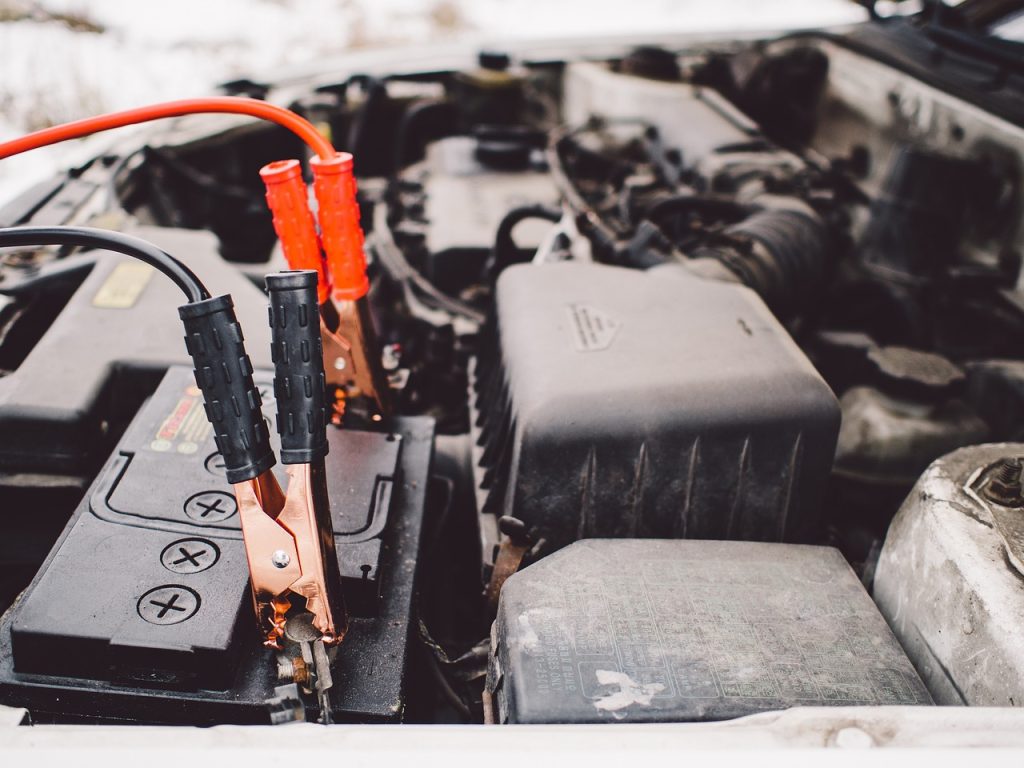
A car that won’t start, dim headlights, or electrical glitches—these are all warning signs that your battery might be in trouble.
One of the most common causes? Corroded battery terminals. It’s a small issue that can cause big headaches. But the good news is, you can clean them yourself without needing a mechanic.
In this guide, we’ll show you the best and safest ways to clean corroded battery terminals using easy-to-find tools and simple steps.
What Causes Battery Terminal Corrosion?
Battery terminal corrosion is that white, greenish, or bluish powder you see around the battery posts or cable ends. It looks messy—and it is! But it forms for very specific reasons:
- Battery acid fumes: These fumes escape from the battery and react with the metal on the terminals.
- Overcharging: Too much electricity running through the battery can increase chemical reactions, leading to more corrosion.
- Age of the battery: Older batteries leak more acid and gases, especially near the end of their life.
- Environmental factors: Hot weather, high humidity, or rapid temperature swings can make corrosion build up faster.
- Poor maintenance: If the battery hasn’t been checked in a long time, corrosion can build up unnoticed.
When corrosion builds up, it blocks the flow of electricity between the battery and the cables. This makes your car work harder—or not at all.
Safety First: What You’ll Need
Before touching your car battery, it’s important to gather the right tools. Safety comes first when working around anything electrical or involving acid.
Protective Gear:
- Safety glasses: To protect your eyes from battery acid splashes.
- Rubber gloves: Acid and chemicals from the corrosion can harm your skin.
- Old clothes: Wear something you don’t mind getting dirty or stained.
Cleaning Supplies:
- Baking soda: Neutralizes acid and breaks down corrosion.
- Warm water: Helps dissolve the baking soda and flush out debris.
- Old toothbrush or wire brush: To scrub away corrosion.
- Clean cloths or paper towels: For wiping and drying.
- Petroleum jelly (like Vaseline): Prevents future corrosion.
- Wrench or pliers: To loosen and remove battery cables.
- Optional: Commercial battery terminal cleaner or corrosion protector.
Step-by-Step Guide: Clean Battery Terminals Safely
Step 1: Turn Off the Engine
Turn off your car completely. Remove the keys and let the engine cool. Never work on a battery while the car is running. It can be dangerous.
Step 2: Disconnect the Battery
Start by removing the negative terminal (–) first. This step is very important for safety. Then remove the positive terminal (+).
Use a wrench or pliers to loosen the nuts on the cable clamps. If the cables are stuck, wiggle them gently. Don’t use force—you could damage the battery.
Step 3: Inspect the Battery and Cables
Look closely at the battery. Are there cracks or leaks? Are the cables frayed or rusted? If you spot major damage, don’t continue. You may need a battery replacement or professional help.
If everything looks fine except the corrosion, move on to the next step.
Step 4: Mix the Cleaning Solution
In a small plastic bowl, mix about 1 tablespoon of baking soda with 1 cup of warm water. Stir until the baking soda dissolves completely.
Baking soda is a mild alkali. It reacts with the acid in corrosion and neutralizes it safely.
Step 5: Scrub Away the Corrosion
Dip your toothbrush or wire brush into the solution. Gently scrub the terminals and cable ends. You’ll see fizzing—that’s the reaction working!
Keep scrubbing until you see shiny metal again. Be patient. You might need to re-dip the brush and scrub several times, depending on how bad the corrosion is.
You can also dip the cable ends into the solution if corrosion has traveled inside.
Step 6: Rinse and Dry Everything
Once the corrosion is gone, dampen a cloth with clean water and wipe everything down. You want to remove leftover baking soda and acid residue.
Next, use a dry towel or paper towels to completely dry the terminals and cables. Moisture left behind can cause new corrosion.
Step 7: Add a Layer of Protection
Rub a thin layer of petroleum jelly on the terminals and inside the cable clamps. This helps block moisture and air, which slows down corrosion from coming back.
You can also use a battery terminal protector spray or corrosion inhibitor pads for added protection.
Step 8: Reconnect the Battery
Reconnect the battery in reverse order:
- Positive terminal (+)
- Negative terminal (–)
Tighten the clamps with your wrench until they’re snug but not overly tight. A loose connection can lead to power loss or electrical issues.
How Often Should You Clean Your Battery Terminals?
It depends on your driving habits and the climate where you live. But a good rule of thumb is:
- Every 6 months
- Before long trips
- Before winter or summer
Frequent inspections prevent corrosion from getting out of control and keep your battery in good health.
Signs of Dirty or Corroded Terminals
Don’t wait until your car won’t start. Watch for these early signs:
- Trouble turning the ignition
- Dim or flickering headlights
- Clicking sound when starting
- Battery warning light on the dashboard
- Visible crust or discoloration on battery posts
What to Avoid While Cleaning Battery Terminals
Some simple mistakes can be dangerous. Avoid the following:
- Never smoke or use flames near a battery. Batteries can release flammable gases.
- Don’t touch both terminals at once with a metal tool. This can shock you or damage your battery.
- Don’t use too much water or let water get into the battery cells.
And most importantly—never clean a damaged or leaking battery yourself. If your battery looks swollen or is oozing liquid, call a professional or replace it immediately.
When It’s Time to Replace the Battery
Sometimes cleaning isn’t enough. If your battery:
- Is more than 5 years old
- Needs frequent jump-starts
- Has cracked casing or leaks
- Still has performance issues after cleaning
…it may be time for a new one. Don’t wait until it fails completely.
Final Thoughts
Cleaning corroded battery terminals is one of the easiest DIY car maintenance jobs you can do. It takes about 20 minutes, costs almost nothing, and can save you from expensive repairs down the road.
With just baking soda, water, and some elbow grease, you can get your battery looking—and working—like new. Just be sure to follow all safety steps and check your battery regularly.
Keeping your terminals clean isn’t just good for your battery—it’s good for your car’s entire electrical system. So next time you pop the hood and spot a little crusty build-up, you’ll know exactly what to do!
