
When you own a car, keeping it in good shape is important. But sometimes, problems happen that are bigger than a flat tire or dead battery.
One of the worst problems you can have is a blown head gasket. If you don’t catch it early, it can seriously damage your engine and cost you a lot of money to fix.
Luckily, your car usually shows you warning signs before things get really bad. In this article, we’ll go over the symptoms of a blown head gasket you should never ignore—and what you can do if you spot them.
What Is a Head Gasket, Anyway?
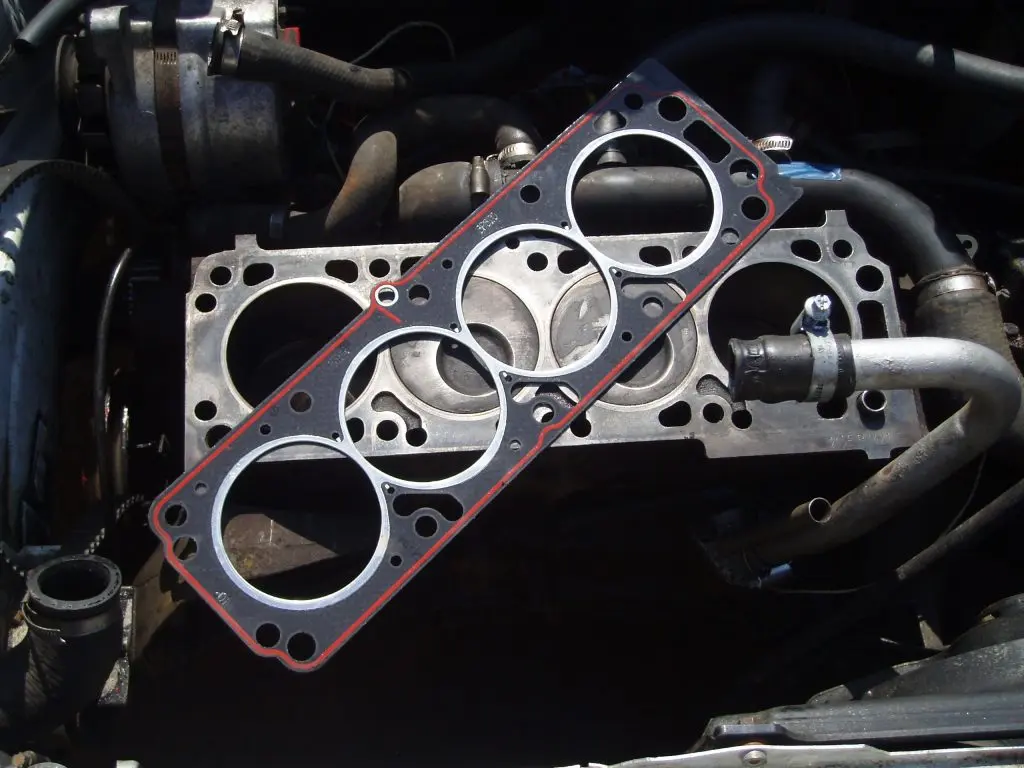
The head gasket is a thin but powerful seal that sits between your car’s engine block and cylinder head. Its main job is to keep three things separated:
- Engine coolant
- Engine oil
- Combustion gases
It has to handle extremely high temperatures and pressure. When the engine runs, the head gasket keeps everything inside the right places so the engine works properly.
But if the head gasket fails—what we call “blowing”—those fluids start mixing. This can cause overheating, loss of power, oil leaks, and even total engine failure.
In short, your head gasket might be small, but it’s one of the most important parts of your engine.
1. Engine Overheating
One of the very first signs you might notice is your engine overheating.
When a head gasket blows, coolant leaks into places it shouldn’t. Your car doesn’t have enough coolant left to keep the engine cool. As a result, the temperature gauge on your dashboard will climb higher and higher.
Sometimes, you might even see steam coming from under the hood. If the engine gets too hot, it can warp metal parts inside, crack your engine block, and cause permanent damage.
What you should do:
The moment you notice your engine overheating, pull over safely and turn off the car. Let it cool down completely before checking anything. Never drive a car that’s overheating—you’ll only make the problem worse.
2. White Smoke from the Exhaust
Another huge warning sign is white smoke pouring from the exhaust pipe.
This happens when coolant leaks into the combustion chamber and burns along with the fuel. When coolant burns, it turns into thick, white smoke. It’s usually easy to spot because it’s much heavier than regular exhaust smoke, and it sometimes smells sweet.
What you should do:
If you see a lot of white smoke—especially after the car warms up—have your car checked right away. A mechanic can do a pressure test or chemical test to confirm if the head gasket is the problem.
3. Milky Oil
When the head gasket fails, coolant can mix with the oil inside your engine. Oil is supposed to look smooth and dark brown or black. But when coolant gets into the oil, it creates a weird milky or frothy texture, often looking like a coffee milkshake.
You can check this by pulling out the oil dipstick or opening the oil filler cap. If you see that strange milky stuff, that’s a very bad sign.
Why it’s bad:
Mixed oil and coolant can’t protect your engine properly. It can cause the engine’s internal parts to wear out faster, overheat, and eventually seize up.
What you should do:
Stop driving immediately and have the car towed to a mechanic.
4. Loss of Coolant with No Obvious Leak
Normally, if your car loses coolant, you’ll see puddles under the car. But with a blown head gasket, the coolant might be disappearing inside the engine instead.
This hidden leak means coolant is getting burned up in the engine or leaking into the oil system. You won’t see it on the ground, but your coolant tank will keep getting lower and lower.
What you should do:
If you have to add coolant regularly and can’t find a leak, you need a professional inspection. Internal leaks can ruin your engine if you wait too long.
5. Rough Running Engine
A blown head gasket can also cause your engine to run rough.
This happens because the coolant disrupts the normal fuel-air mixture inside the cylinders. As a result, your engine might:
- Shake when idling
- Lose power when accelerating
- Feel jerky or unsteady
Sometimes, you might even feel like your car is about to stall when you stop at a light.
What you should do:
A rough-running engine combined with any other symptom (like overheating or white smoke) means you should get your car checked immediately. The longer you wait, the worse it gets.
6. Bubbles in the Radiator or Coolant Reservoir
If you look into your radiator or overflow tank (only when the engine is cool!), you might see bubbles constantly forming.
These bubbles happen because combustion gases are leaking into the coolant system through the broken gasket. It’s like your engine is blowing air into the coolant, which should never happen.
What you should do:
If you spot bubbles while the engine is running or just after shutting it off, that’s another strong clue you have a blown head gasket.
7. Poor Engine Performance
A blown head gasket doesn’t just cause smoke or overheating—it affects your entire driving experience. You might notice:
- Weak acceleration
- Poor fuel economy
- Strange smells (sweet coolant smell or burning oil)
- Check Engine Light turning on
When multiple small problems happen at once, it’s usually your car telling you something big is wrong.
What you should do:
If your car feels “off” in more than one way, it’s better to get it checked quickly rather than hoping it will fix itself.
Why You Shouldn’t Ignore These Symptoms
It’s tempting to ignore small problems and hope they go away. But when it comes to a blown head gasket, waiting is the worst thing you can do.
If you ignore the signs, the damage can spread:
- Warped cylinder heads
- Cracked engine blocks
- Total engine failure
Fixing a head gasket early might cost around $1,000 to $2,000. But replacing the entire engine could cost $5,000 or more—or even force you to buy a new car.
Bottom line: Catch it early, save your engine (and your wallet).
Can You Drive with a Blown Head Gasket?
Some people wonder if they can “just drive it a little longer.” The honest answer is no.
Even short drives with a blown head gasket can cause major engine damage. Every time the engine heats up, it warps a little more, leaks a little more, and suffers a little more.
If you must move the car, keep it extremely short (like onto a tow truck or into a repair shop) and never push the engine hard.
Final Thoughts
A blown head gasket is a serious problem, but it doesn’t have to be the end of the road for your car.
Pay close attention to signs like overheating, white smoke, milky oil, coolant loss, and poor engine performance.
Acting fast can save your engine and save you thousands of dollars. Always listen to your car—it’s trying to tell you something!
