
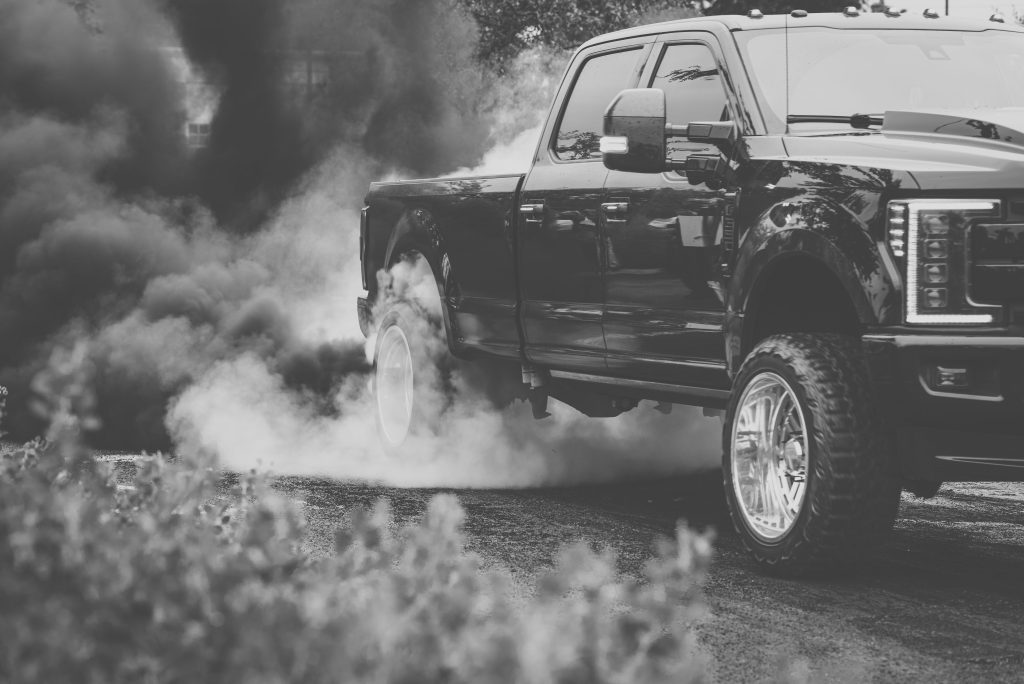
Blue smoke coming from a diesel engine during acceleration is never something to ignore.
Many drivers notice it when merging onto a highway or pressing the gas harder than usual. The engine may feel weaker, oil levels may drop faster, and fuel costs can rise.
One of the most common reasons for this problem is a failing turbocharger or parts connected to it.
This guide explains why turbo problems cause blue smoke, what signs to watch for, and how to fix the issue before serious damage occurs.
What Blue Smoke Means in a Diesel Engine
Blue smoke usually means oil is burning inside the engine. Diesel fuel burns differently than gasoline, so blue smoke almost always points to oil getting into places where it does not belong.
When the engine accelerates, pressure inside the intake and exhaust rises quickly. If oil slips past worn seals or damaged parts, it gets burned along with the fuel-air mix. The result is blue or bluish-gray smoke that appears most clearly under load.
Why Turbochargers Are Linked to Blue Smoke
A turbocharger spins at extremely high speeds, often over 150,000 RPM. It uses exhaust pressure to force more air into the engine, which increases power. To survive those speeds, the turbo relies on a steady flow of engine oil for lubrication and cooling.
When turbo parts wear out, oil can leak into either the intake side or the exhaust side. During acceleration, boost pressure increases and pushes more oil through weak seals, causing visible smoke.
Common Turbo-Related Causes of Blue Smoke
Worn Turbo Oil Seals
Turbo seals keep oil inside the bearing housing. Over time, heat and pressure wear them down. When seals fail, oil flows into the intake or exhaust housing and burns during acceleration.
This is the most common turbo-related cause of blue smoke.
Turbo Bearing Wear
Bearings support the turbo shaft. If they wear out, the shaft develops play. That movement allows oil to escape past seals even if the seals are not fully destroyed. Acceleration increases shaft speed and oil flow, making smoke more noticeable.
Excessive Crankcase Pressure
If the engine’s crankcase ventilation system is clogged or damaged, pressure builds up inside the engine. That pressure can push oil through the turbo seals. The turbo may be blamed, but the real problem is poor pressure control.
Oil in the Intercooler Pipes
When a turbo leaks oil, it often collects inside the intercooler and charge pipes. During hard acceleration, pooled oil gets sucked into the engine all at once, causing sudden bursts of blue smoke.
Restricted Oil Drain Line
Turbochargers rely on gravity to drain oil back into the engine. A clogged or kinked oil return line causes oil to back up inside the turbo. Once pressure rises, oil escapes into the intake or exhaust.
Signs Turbo Issues Are Causing Blue Smoke
Blue smoke alone is not enough to confirm a turbo problem. Look for these supporting signs:
- Smoke appears mainly during acceleration
- Oil level drops faster than normal
- Whistling or siren-like turbo noises
- Loss of power under load
- Oil residue inside intake hoses
- Oily smell from the exhaust
- Check engine light related to boost or airflow
When several of these symptoms appear together, turbo issues become very likely.
Why Acceleration Makes the Smoke Worse
At idle or light driving, the turbo spins slowly and oil pressure stays lower. During acceleration, the turbo spins faster and boost pressure rises quickly. This forces oil through worn seals or weak bearings.
That is why many drivers only see blue smoke when pressing the accelerator and not during steady cruising.
Is It Safe to Drive With Blue Smoke From Turbo Issues
Driving with blue smoke caused by turbo problems is risky. Oil burning damages the exhaust system, clogs the diesel particulate filter, and increases emissions. If oil loss becomes severe, the engine can suffer serious internal damage.
In extreme cases, oil leaking into the intake can cause uncontrolled engine speed, known as diesel runaway. This can destroy the engine in seconds.
Short trips may be possible, but long-term driving without repairs is unsafe.
How Mechanics Diagnose Turbo-Related Blue Smoke
A proper diagnosis often includes:
- Checking turbo shaft play by hand
- Inspecting intake pipes for oil buildup
- Examining the intercooler for pooled oil
- Measuring crankcase pressure
- Checking oil drain and feed lines
- Scanning for boost-related fault codes
Visual inspection combined with pressure tests usually confirms whether the turbo is the source.
Repair Options and What to Expect
Turbo Seal or Bearing Repair
Some turbos can be rebuilt with new seals and bearings. This is cheaper than full replacement but depends on turbo design and damage level.
Turbo Replacement
Severely worn or damaged turbos must be replaced. While costly, replacement restores performance and prevents further engine damage.
Cleaning Intake and Intercooler
After repairs, oil must be cleaned from pipes and intercoolers. Skipping this step can cause smoke to continue even after the turbo is fixed.
Fixing Supporting Systems
Crankcase ventilation systems, oil drain lines, and oil feed lines must be checked and repaired. Replacing a turbo without fixing these can cause repeat failure.
Preventing Turbo-Related Blue Smoke
You can reduce turbo problems by following these habits:
- Change oil on time using correct diesel-rated oil
- Let the engine warm up before heavy acceleration
- Allow the engine to idle briefly before shutting off
- Replace clogged air and oil filters
- Watch oil level closely
- Address boost or airflow warnings early
Good maintenance greatly extends turbo life.
Final Thoughts
Diesel engine blue smoke when accelerating often points to turbo issues, especially worn seals, bearings, or oil drainage problems. While the engine may still run, the damage grows with every mile driven. Early inspection saves money and prevents serious engine failure.
If blue smoke appears mainly under acceleration, do not ignore it. Catching turbo problems early keeps your diesel engine powerful, clean, and reliable for the long run.
