
Have you ever felt your car drifting to one side, noticed your steering wheel shaking, or seen your tires wearing unevenly? These are all signs of poor alignment. While it may seem like a minor issue, misalignment can lead to bigger problems—affecting your car’s handling, fuel efficiency, and even safety. Over time, it can wear down your tires, strain your suspension, and increase the risk of costly repairs.
Understanding why alignment matters can help you stay ahead of these issues. In this guide, we’ll explore how misalignment impacts your vehicle and when to schedule an alignment check to keep your car running smoothly.
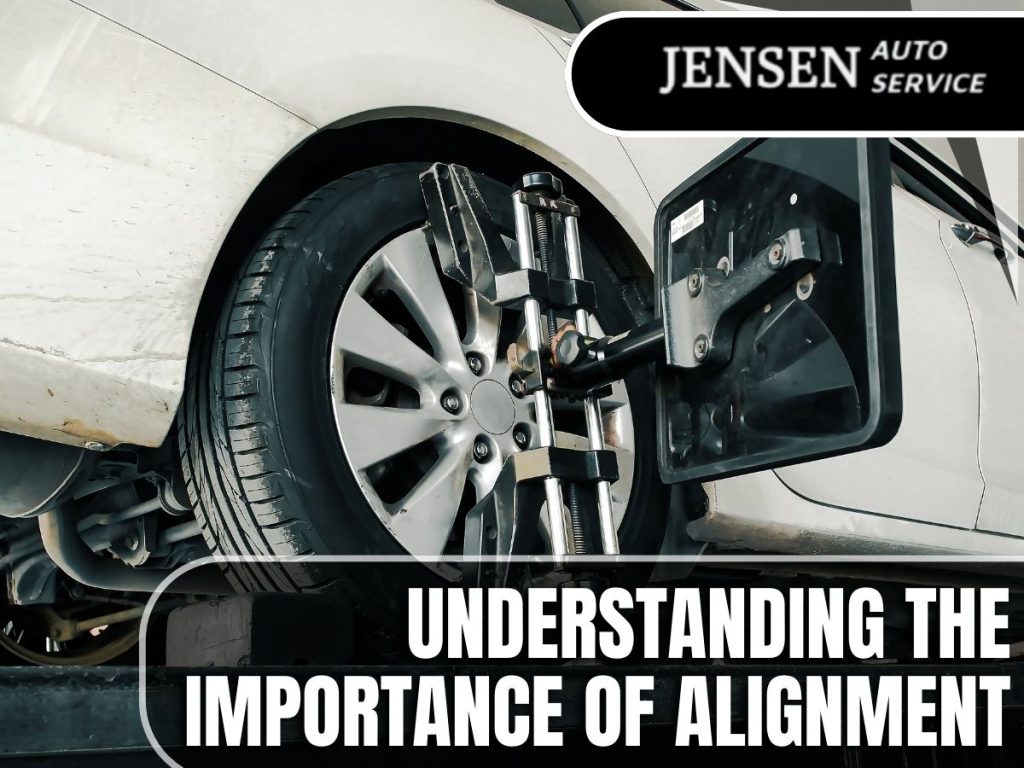
How Misalignment Affects Your Car’s Safety and Efficiency
Proper alignment ensures that your vehicle’s wheels are positioned correctly according to manufacturer specifications. When wheels are misaligned, the angle at which they meet the road is affected, causing multiple performance and safety issues.
Uneven Tire Wear and Increased Blowout Risk
One of the early indicators of misalignment is uneven tire wear. When wheels are not properly aligned, certain areas of the tire experience more friction, leading to faster deterioration. This can create bald spots or excessive wear on one side, shortening the tire’s lifespan. Not only does this mean replacing tires more frequently, but it also increases the risk of blowouts, which can be extremely dangerous at high speeds.
Steering and Handling Issues
A misaligned car often pulls to one side, making it harder to drive in a straight line. This is particularly dangerous on highways or in bad weather, where stability is crucial. Drivers may find themselves constantly adjusting the steering wheel, leading to fatigue on long trips. Over time, misalignment can also put extra strain on the power steering system, accelerating wear and tear.
Reduced Fuel Efficiency
Misaligned wheels create rolling resistance, forcing the engine to work harder to keep the vehicle moving. Studies from the U.S. Department of Energy show that proper alignment can improve fuel economy by up to 10%. Keeping your alignment in check not only saves money at the pump but also reduces unnecessary strain on your engine.
Suspension and Braking System Damage
Ignoring alignment issues can also affect your suspension and brakes. A misaligned car puts extra stress on components like shocks, struts, and ball joints, leading to premature wear. Uneven alignment can also cause brake pads to wear unevenly, reducing braking efficiency and increasing stopping distances.
Regular alignment checks help extend the life of these critical components, ensuring a safer and more cost-effective driving experience.
Case Study: How a Simple Alignment Fix Improved Handling
A driver brought in their car after experiencing a persistent pulling sensation while driving. They had recently replaced their tires but continued to notice steering problems. A thorough inspection revealed significant toe misalignment, meaning the wheels were angled inward rather than parallel. After performing a proper alignment, the car’s handling improved immediately, and the driver no longer had to fight the steering wheel to keep the vehicle straight. This example highlights how regular alignment checks can resolve handling issues and enhance overall driving comfort.
When to Get an Alignment Check
Many drivers only think about wheel alignment after they notice handling issues, but regular checks can prevent costly repairs and extend the life of your vehicle. Knowing when to schedule an alignment can help maintain stability, improve fuel efficiency, and ensure a smoother ride.
Pulling to One Side
A clear sign of misalignment is when your car drifts to one side, even when you’re driving straight. If your vehicle drifts left or right without steering input, misalignment is likely the cause. Even a slight pull can indicate a problem, and ignoring it may lead to more severe wear over time.
Uneven Tire Wear
Tires should wear evenly when properly aligned. If one side of your tires is significantly more worn than the other, your wheels are not making proper contact with the road. This can lead to reduced traction, making your car less stable, especially in wet or slippery conditions.
Steering Wheel Vibration
If you feel vibrations in the steering wheel at certain speeds, it could be due to misalignment. Misaligned wheels may pull against each other, creating a shaking sensation. While vibrations can also be caused by unbalanced tires, an alignment check should be part of the inspection process.
Hitting Potholes or Curbs
A hard impact from a pothole, curb, or rough road can knock your wheels out of alignment. Even if you don’t notice immediate handling issues, routine alignment checks ensure your vehicle stays in peak condition. Experts recommend checking alignment every 6,000 miles or once a year, but if you drive on rough roads frequently, more frequent checks may be necessary.
Frequently Asked Questions (FAQs)
1. How does poor alignment affect my tires?
When your wheels are misaligned, your tires wear down unevenly, which means they won’t last as long. This can also increase the risk of blowouts, especially at high speeds. Keeping your alignment in check helps your tires wear evenly, giving you a smoother, safer ride and saving you money on replacements
2. Can wheel misalignment cause steering issues?
Absolutely! Misalignment can make your car pull to one side, cause steering wheel vibrations, or force constant corrections, making driving harder and less comfortable.
3. How often should I check my wheel alignment?
It’s recommended to check alignment every 6,000 miles or once a year, but more frequent checks may be needed if you drive on rough roads or notice handling problems.
4. Does wheel alignment improve fuel efficiency?
Yes. Proper alignment reduces rolling resistance, allowing the engine to operate more efficiently. Studies suggest that good alignment can improve fuel economy by up to 10%.
5. What happens if I ignore alignment issues?
Ignoring alignment issues can wear out your tires faster, make steering harder, waste fuel, and strain your suspension—leading to costly repairs that you could have avoided
Conclusion
Proper wheel alignment is essential for maintaining a car’s performance, safety, and efficiency. Misalignment can lead to uneven tire wear, poor handling, and reduced fuel economy, all of which increase the risk of costly repairs. By addressing alignment issues early, drivers can prevent unnecessary damage and ensure a smooth, stable driving experience.
