
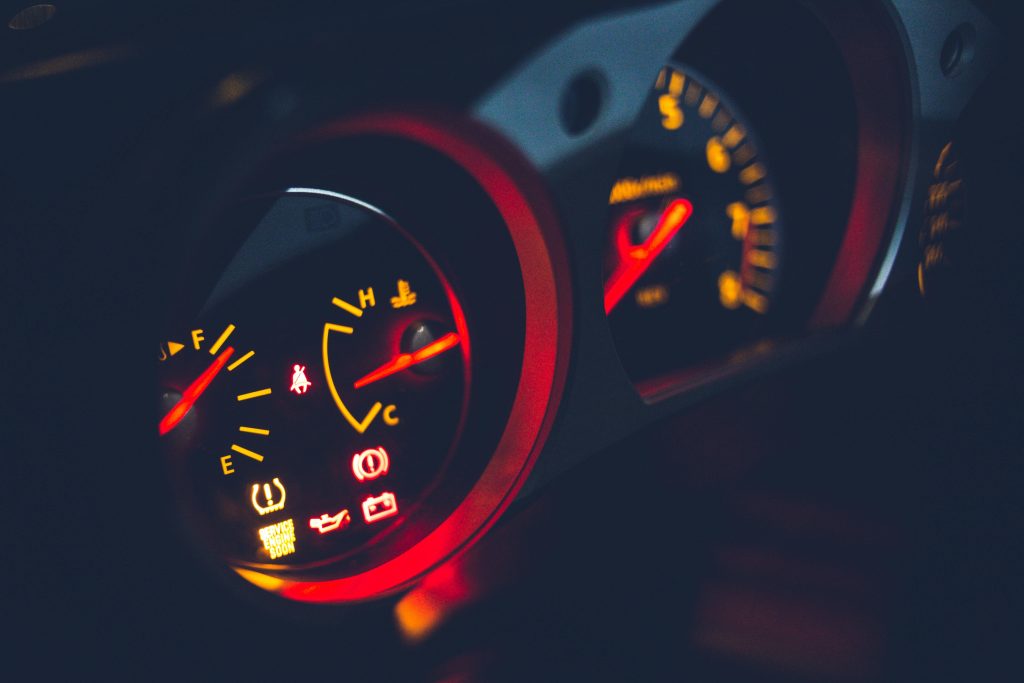
When you’re driving, your car constantly monitors how things are working. One of the most important things it keeps track of is the engine temperature. The temperature light or gauge is your car’s way of telling you if something is wrong.
When that light comes on or the gauge climbs too high, it means the engine is getting hotter than it should.
This is serious! If you ignore it, you could end up with big, expensive repairs — or worse, be left stranded.
Let’s dive deeper into the warning signs behind what it really means when the temperature light or gauge is on and what you need to do about it.
Why the Temperature Light or Gauge Is Important
The engine inside your car works hard. It burns fuel and produces a lot of heat. To keep from overheating, it relies on a system filled with coolant (also called antifreeze), a radiator, water pump, thermostat, and fans.
If any part of this system fails, the engine can heat up too much. Overheating can cause:
- Cracked cylinder heads
- Warped metal parts
- Blown head gaskets
- Complete engine failure
The temperature light and gauge are there to warn you before things get that bad. They give you a chance to fix the problem before real damage happens.
Ignoring the temperature warning is like ignoring a fire alarm. You wouldn’t do that in your house, so don’t do it with your car!
Common Warning Signs You Should Never Ignore
Let’s go into more detail about the signs that tell you your engine is getting dangerously hot.
1. The Temperature Gauge Moves Into the Red Zone
Normally, your car’s temperature gauge sits in the middle — not too hot, not too cold.
If you see the needle start creeping toward the red or the H for hot, that’s a loud warning signal. Sometimes the needle may even bounce around, which also isn’t normal.
A steady climb or sudden jump into the red zone means your cooling system is not doing its job, and you should pull over as soon as it’s safe.
Tip: Always glance at your gauges while driving. It only takes a second and can save you from a huge repair bill.
2. Steam or Smoke Coming from Under the Hood
Seeing steam pouring out from under the hood can feel scary — and it should!
Steam usually means your coolant is boiling because your engine is too hot. If the coolant boils, it can’t cool the engine anymore, which causes even faster overheating.
If you notice smoke (especially if it’s black or blue), that can mean burning oil, rubber, or worse.
Important:
- If you see steam or smoke, pull over safely.
- Turn off the engine.
- Never open the radiator cap while the engine is hot! Hot coolant can spray out and cause serious burns.
3. Strange Smells from the Engine
Your nose can tell you a lot about what’s happening under the hood.
- Sweet smell: This often means coolant is leaking. Coolant contains ethylene glycol, which smells sweet.
- Burnt smell: This could mean oil is leaking onto hot parts of the engine, or that rubber hoses or belts are overheating.
If you notice any weird smells, it’s a good idea to pull over and inspect (once the engine has cooled) or call for help.
4. Warning Lights Along with the Temperature Light
Sometimes you’ll see more than just the temperature warning.
You might notice:
- Check Engine Light: Means the computer has spotted a problem.
- Low Coolant Light: Means you’re running low on coolant.
- Oil Pressure Light: Means your engine isn’t getting enough oil.
If you see any combination of these, it’s a big clue your engine is stressed and needs immediate attention.
5. Heater Blowing Cold Air
Here’s a sneaky sign many people miss: if you turn on your heater expecting hot air and only cold air comes out, it might mean your coolant level is too low.
Here’s why:
- The heater uses hot coolant to warm the air inside the car.
- No coolant = no heat inside your car.
So if the heater is cold when it shouldn’t be, your engine might already be overheating without you knowing it.
6. Ticking or Knocking Noises
Engines are designed to run smoothly. If you start hearing ticking, tapping, or knocking sounds, it’s a big red flag.
- Ticking sounds happen when the oil is too thin (because of heat) and can’t protect the engine parts properly.
- Knocking sounds usually mean serious damage is starting.
These noises mean your engine is in danger. Pull over, turn off the car, and get help before worse damage happens.
What Causes the Temperature Light to Turn On?
Understanding what causes the temperature warning can help you prevent problems before they happen.
| Problem | What Happens |
| Low Coolant | Without enough coolant, the engine can’t stay cool. Leaks, cracked hoses, or evaporation over time can cause low coolant levels. |
| Broken Thermostat | A stuck thermostat won’t let coolant flow through the engine, causing fast overheating. |
| Radiator Problems | A clogged, leaking, or broken radiator can’t pull heat away from the engine, causing high temperatures. |
| Broken Water Pump | The water pump moves coolant through the engine. If it stops working, the coolant doesn’t circulate, and the engine heats up. |
| Cooling Fan Issues | The cooling fan blows air through the radiator. If it doesn’t work (due to a bad motor, fuse, or sensor), the engine gets too hot — especially in traffic. |
Each of these problems needs fast attention. Sometimes a small repair today can prevent a big engine replacement tomorrow!
What You Should Do If the Temperature Light/Gauge Is On
If the temperature light comes on or the gauge is too high, stay calm but act quickly:
- Turn off the air conditioner. It reduces the load on your engine.
- Turn on the heater. It pulls heat away from the engine (even if it’s uncomfortable for you).
- Find a safe place to pull over. Parking lots or wide shoulders are good options.
- Turn off the engine. Let it cool completely before you touch anything.
- Wait at least 30 minutes before checking coolant levels.
- Call roadside assistance or a mechanic if you’re unsure what to do next.
Never open the radiator cap while the engine is hot! Wait until it’s cool, then check coolant levels carefully.
How to Prevent Temperature Problems
You can avoid most overheating problems with a little regular care:
- Check coolant levels every month.
- Get the cooling system flushed every 2-3 years.
- Fix leaks as soon as you notice them.
- Replace worn-out thermostats before they fail.
- Make sure the cooling fan is working, especially before summer.
Good maintenance is cheaper than big repairs!
Final Thoughts
The temperature light or gauge is not something to ignore. It’s there to protect you and your car.
If you catch the warning signs early — like a rising gauge, steam, weird smells, or strange noises — you can often fix the problem before it becomes a disaster.
Remember: If you take care of your car, it will take care of you.
Drive safe, stay alert, and don’t let your engine overheat!
