
Your vehicle’s transmission system plays a crucial role in ensuring smooth acceleration and gear shifting. Over time, transmission fluid degrades, collecting dirt, debris, and metal particles. When left unchecked, dirty fluid can cause overheating, sluggish performance, and even transmission failure.
Many drivers overlook transmission maintenance, not realizing that a transmission flush can extend the lifespan of their vehicle and prevent costly repairs. But what exactly is a transmission flush, and why is it so important? In this guide, we’ll explain the process, its benefits, and when your vehicle might need one.
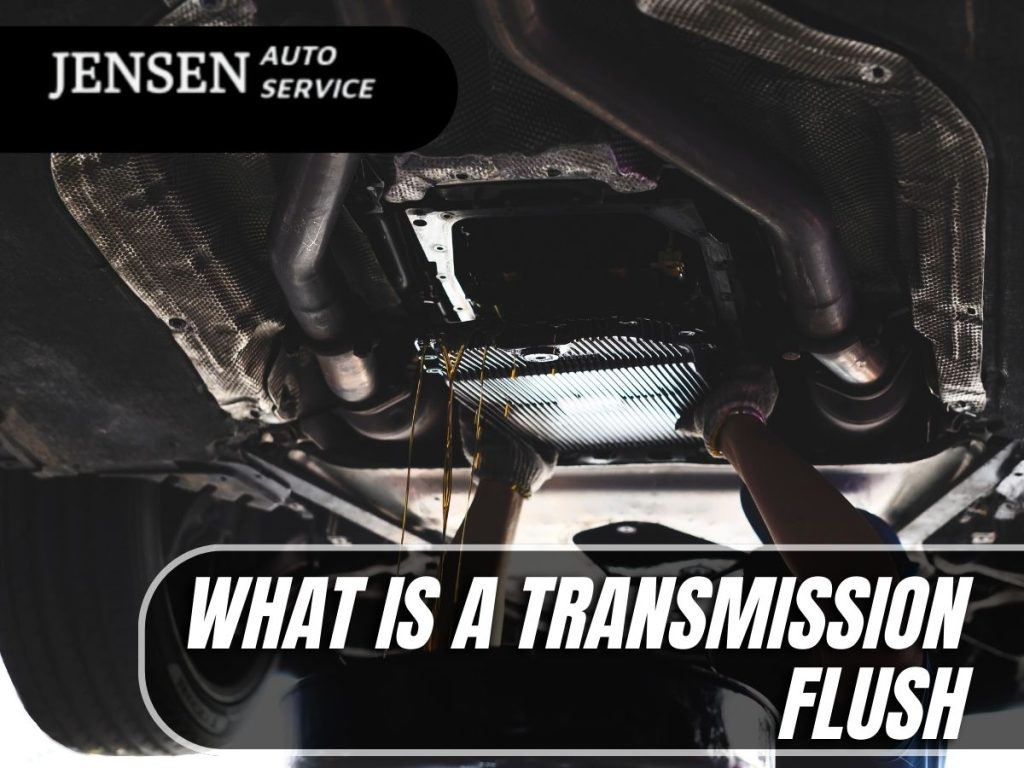
How a Transmission Flush Works
Understanding the Role of Transmission Fluid
Transmission fluid is more than just a lubricant—it’s essential for:
- Cooling the transmission by reducing heat from friction.
- Cleaning internal components by preventing debris buildup.
- Providing hydraulic pressure for smooth gear shifts.
Over time, this fluid breaks down and loses its effectiveness, leading to increased friction, clogged passageways, and potential system failure.
What Happens During a Transmission Flush?
A transmission flush is a maintenance procedure designed to completely remove old fluid, clean out contaminants, and replace it with fresh transmission fluid. Unlike a standard fluid change—which only replaces 40-50% of the old fluid—a flush removes nearly 100% of the old, degraded fluid.
Here’s how the process works:
- Draining the Old Fluid
A technician connects a flush machine to the transmission system. This machine safely removes the old fluid, including fluid trapped in the torque converter, cooler lines, and transmission pan. - Cleaning the System
Some service centers use a special cleaning solution to break down sludge and grime. This ensures that contaminants don’t mix with the new fluid. - Refilling with Fresh Transmission Fluid
The system is filled with new, manufacturer-recommended fluid. Using the correct type of fluid is critical, as an incompatible fluid can cause performance issues or damage. - Checking for Leaks & Road Testing
After refilling, a technician inspects for fluid leaks and ensures the fluid level is correct. A road test is performed to confirm smooth shifting and proper operation.
By thoroughly cleaning and replacing the transmission fluid, a flush helps restore efficiency and prevents transmission-related breakdowns.
Why a Transmission Flush Is Important
Prevents Overheating & Transmission Damage
Dirty transmission fluid loses its ability to cool and lubricate internal parts. Without proper cooling, the friction between gears increases, causing the transmission to overheat. Excessive heat is the leading cause of transmission failure, which can cost $3,000 to $6,000 to repair or replace.
Improves Shifting Performance
If your vehicle experiences hard shifting, delayed acceleration, or gear slipping, old transmission fluid may be the culprit. Fresh fluid restores the hydraulic pressure needed for smooth, seamless gear changes.
Extends Transmission Life
Routine transmission flushes reduce wear and tear, keeping the system in optimal condition for thousands of additional miles. Most manufacturers recommend a flush every 30,000 to 60,000 miles, depending on driving conditions.
Avoids Costly Repairs
Neglecting a transmission flush can lead to clogged filters, fluid contamination, and component failure. Routine maintenance is a small investment compared to the high costs of transmission repairs or replacement.
Case Study: Why Timely Transmission Flushes Matter
Alex, an SUV owner, frequently drove in heavy city traffic and mountainous terrain. He noticed that his vehicle hesitated while shifting gears and produced a burning smell. Assuming it was a minor issue, he continued driving.
After a few weeks, the transmission began slipping and overheating, leaving him stranded. A mechanic diagnosed the problem—old, contaminated fluid had caused excessive friction and heat, leading to severe damage.
Alex was left with two options:
- Replace the transmission ($4,500+ repair)
- Buy a new vehicle
Had he scheduled a $200 transmission flush earlier, he could have avoided thousands in repair costs. This example underscores the importance of preventive maintenance.
Signs Your Vehicle Needs a Transmission Flush
If you experience any of the following, your transmission fluid may need to be flushed:
- Delayed or hard shifting – Gears take longer to engage or shift roughly.
- Gear slipping – The transmission struggles to maintain the correct gear.
- Burning smell – Overheated fluid produces a strong, burnt odor.
- Dark or murky fluid – Fresh transmission fluid is red and translucent; dirty fluid appears brown or black.
- Unusual noises – Whining or grinding sounds while shifting may indicate contaminated fluid.
If your car shows multiple symptoms, schedule a diagnostic check to determine whether a flush is necessary.
FAQs About Transmission Flushes
1. How often should I get a transmission flush?
Most automakers suggest a flush every 30,000 to 60,000 miles. However, if you regularly haul heavy loads, drive in harsh weather conditions, or spend a lot of time in stop-and-go traffic, your transmission may need servicing more frequently.
2. Is a transmission flush the same as a fluid change?
No. A fluid change drains only a portion of the old fluid, leaving some contaminants behind. A flush removes nearly all old fluid, providing a more complete cleaning.
3. Can a transmission flush fix shifting problems?
If dirty or degraded fluid is causing the issue, a flush may restore smooth shifting. However, if the problem is due to worn-out components, a flush alone won’t fix mechanical damage.
4. Is a transmission flush safe for older cars?
For older vehicles with high mileage and neglected maintenance, a flush could dislodge debris that might cause blockages. Always consult a professional to determine if a flush or fluid change is the best option.
5. How much does a transmission flush cost?
The cost varies depending on the vehicle and fluid type but typically ranges between $150 to $300. This is significantly cheaper than the cost of transmission repairs.
Conclusion
A transmission flush is essential for maintaining smooth gear shifts, preventing overheating, and extending the lifespan of your transmission. By removing contaminants and replenishing fluid, this service ensures your car runs efficiently and avoids expensive transmission repairs.
