
Your vehicle’s braking system is one of the most important safety features, and disc brake pads play a critical role in keeping you and others safe on the road.
But how do you know when it’s time to replace them, and why is it so important? Let’s break it down in simple terms.
What Are Disc Brake Pads?
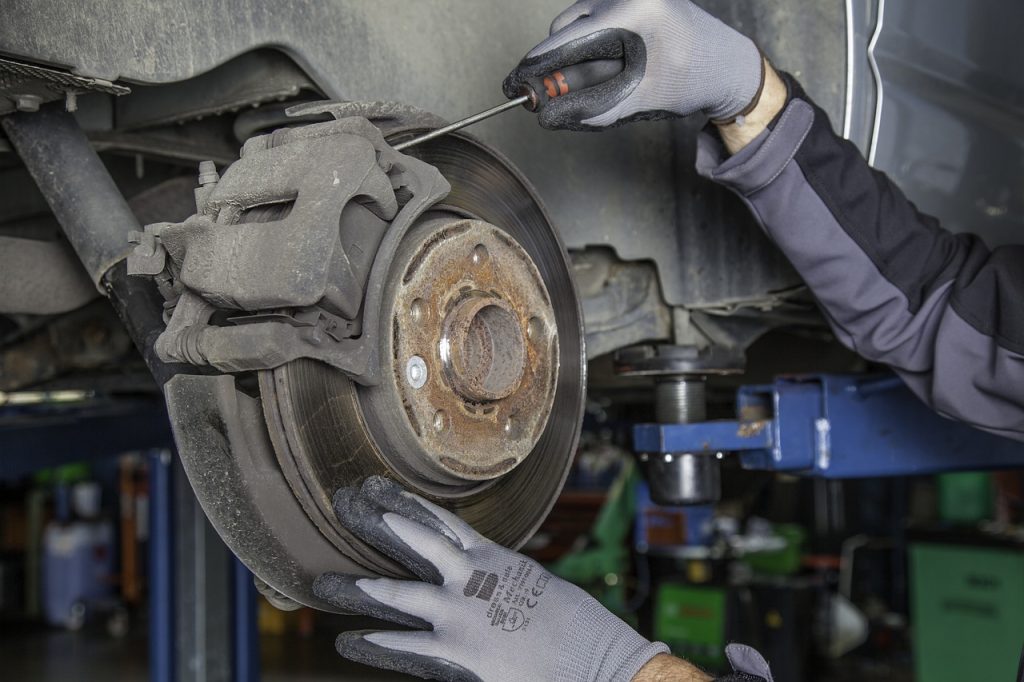
Disc brake pads are a key component of your vehicle’s braking system. When you press the brake pedal, the pads press against the brake disc (or rotor) to create friction, which slows down or stops the car. Over time, this friction wears the pads down, reducing their effectiveness.
Ignoring worn-out brake pads can lead to more expensive repairs or even dangerous driving conditions. That’s why it’s essential to know when to replace them.
Signs You Need to Replace Your Disc Brake Pads
Recognizing the warning signs of worn brake pads can save you from costly repairs and accidents.
Here are the most common indicators:
1. Squealing or Screeching Sounds
When your brake pads are worn, they often produce a high-pitched squealing noise. This is usually due to a built-in wear indicator, designed to alert you that it’s time for a replacement.
If the squealing turns into a grinding noise, it’s a sign that the pads are completely worn out, and your rotors might be getting damaged.
2. Reduced Braking Performance
If it takes longer for your car to come to a complete stop, your brake pads may have lost their ability to create enough friction. This is not something to ignore, as it directly impacts your safety.
3. Vibration in the Brake Pedal
A vibrating or pulsating brake pedal could mean uneven wear on the brake pads or warped rotors. Either issue requires immediate attention.
4. Visual Inspection
Most brake pads have a wear line or indicator you can see through the wheel spokes. If the pad looks less than a quarter-inch thick, it’s time to replace them.
5. Brake Warning Light
Many modern vehicles have a dashboard warning light for brake issues. If this light turns on, it’s worth getting your brakes inspected by a professional.
How Often Should You Replace Brake Pads?
There’s no universal answer because the lifespan of brake pads depends on several factors:
- Driving Habits: Aggressive braking wears pads faster.
- Driving Conditions: City driving with frequent stops can shorten their lifespan, while highway driving causes less wear.
- Pad Material: Different materials (ceramic, semi-metallic, organic) last for varying lengths of time.
On average, brake pads should be replaced every 25,000 to 65,000 miles. Always refer to your vehicle’s manual or consult a mechanic for specific guidance.
Why Replacing Worn Brake Pads Is Crucial
Driving with worn brake pads might not seem like a big deal at first, but the risks and costs add up quickly.
1. Safety First
Worn brake pads reduce your ability to stop quickly. This increases the risk of accidents, especially in emergencies. Protecting yourself, your passengers, and others on the road should always be the top priority.
2. Prevent Damage to Other Components
When brake pads wear out, the metal backing plate can press directly against the rotor, causing scratches, grooves, or warping. Replacing rotors is much more expensive than replacing brake pads.
3. Avoid Costly Repairs
Ignoring worn brake pads can lead to a chain reaction of problems. From damaged rotors to caliper issues, delaying repairs can quickly turn a small problem into a costly repair bill.
4. Maintain Optimal Performance
Healthy brake pads ensure smooth and consistent braking. This makes driving more enjoyable and less stressful, especially in heavy traffic or adverse weather conditions.
Tips for Prolonging the Life of Your Brake Pads
You can take steps to make your brake pads last longer and save money:
- Drive Smoothly: Avoid sudden stops and start braking early to reduce wear.
- Lighten the Load: Carrying unnecessary weight puts extra strain on your brakes.
- Avoid Riding the Brakes: Keep your foot off the brake pedal unless you’re actively stopping.
- Follow Maintenance Schedules: Regular inspections can catch issues before they become serious.
When to Consult a Mechanic
Even if you’re confident about your car’s condition, regular brake inspections are essential. A professional can spot wear and tear you might not notice and ensure the entire braking system is functioning properly.
If you notice any of the warning signs listed earlier, schedule a brake inspection immediately. Driving with worn brake pads is not only risky but could also lead to unnecessary expenses.
Final Thoughts
Replacing your disc brake pads might seem like a hassle, but it’s a small price to pay for the safety and performance of your vehicle.
By recognizing the signs of wear and addressing them promptly, you can avoid costly repairs, keep your car running smoothly, and ensure everyone’s safety on the road.
Don’t wait until it’s too late; check your brake pads regularly and replace them as needed. It’s a simple step that makes a big difference in your driving experience and peace of mind.
